Buying a home is one of the biggest financial decisions most people make. While home inspections cover a wide range of systems, the electrical infrastructure often doesn’t get the attention it deserves—until something goes wrong. For homebuyers in Eastern Massachusetts, recognizing the warning signs of electrical issues is crucial. Knowing what to watch for can protect both your investment and your safety.
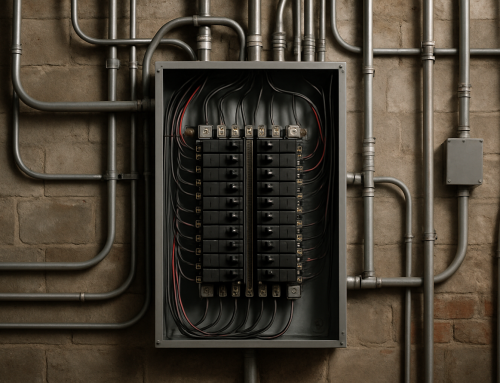
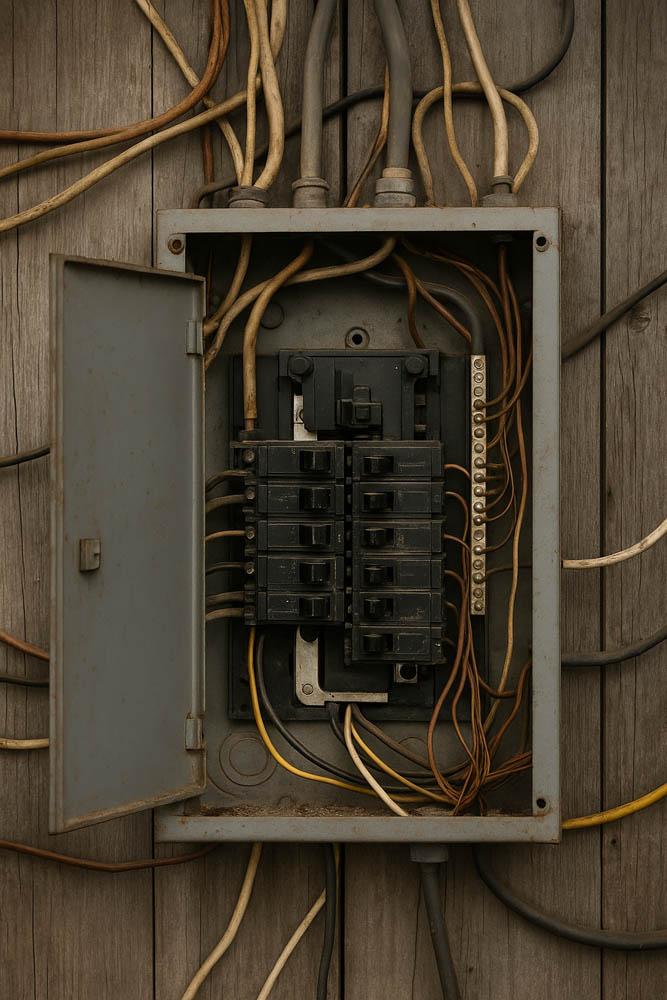
One of the most obvious red flags is an outdated electrical panel. If the home still has a fuse box or a panel from brands known for safety issues, such as Federal Pacific or Zinsco, it should be evaluated and replaced by a licensed electrician. These panels may not provide adequate protection and are known to pose fire hazards due to their failure to trip under dangerous conditions.
Two-prong outlets are another warning sign. Homes with these types of outlets may not have proper grounding, increasing the risk of electrical shock or damage to sensitive electronics. A lack of GFCI protection in bathrooms, kitchens, garages, and outdoor areas is also a common issue. GFCIs are required by code in moisture-prone locations and are a vital part of modern electrical safety.
Flickering or dimming lights, especially when large appliances turn on, can indicate overloaded circuits or aging wiring. This is particularly concerning in older homes, where wiring may not be equipped to handle today’s power needs. Aluminum wiring, common in homes built in the 1960s and 70s, is another concern. While not always dangerous, it must be properly maintained and connected with compatible materials to avoid overheating.
Visible wiring problems are another major red flag. Exposed wires, improperly secured cables, or amateur DIY modifications can all be signs that the system was not professionally installed or maintained. In the attic or basement, look for wires draped over nails, junction boxes without covers, or old cloth-wrapped wiring—all signs of potential trouble.
The smell of burning plastic or outlets that are warm to the touch are urgent red flags. These may indicate loose connections, arcing, or short circuits. If a seller or agent tells you “that’s normal” or that “it’s always been that way,” it’s time to get a professional opinion.
Homebuyers should also be cautious when a home has clearly been updated cosmetically but lacks documentation for electrical work. New lighting fixtures or appliances won’t mean much if they’re connected to unsafe wiring behind the walls. Permits and inspection records offer peace of mind and confirm that work was done to code.
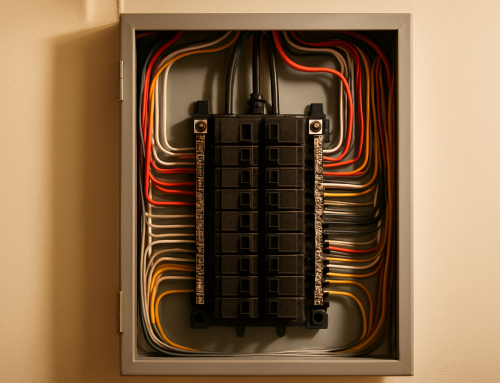
Basements and crawl spaces are often home to electrical systems that go unnoticed during a showing. Inspecting these areas can reveal whether the system is organized and labeled properly, or if it’s a tangled mess that raises more questions than answers. Professional electricians are trained to spot inconsistencies that could lead to bigger problems.
One overlooked warning sign is frequent breaker tripping. While a single trip might not be a concern, repeated occurrences suggest a mismatch between the home’s electrical demands and its capacity. It’s a sign that the system may need updating before you even move in.
During the buying process, we recommend hiring a licensed electrician to perform an independent electrical inspection, especially on older properties. While general home inspectors offer broad insights, an electrician can provide a deeper look into load capacity, panel condition, grounding, and future upgrade needs.
Buying a home is about more than location and style—it’s about making sure the home is truly safe and ready for modern living. Identifying and addressing electrical red flags early can prevent costly repairs and protect your family from unnecessary risk.
Contact Clark Electric at (844) 431-8050 or visit our Facebook page to schedule a buyer’s electrical inspection before you close on your next home.
#HomeInspectionTips #ElectricalSafety #BuyerBeware