Flickering lights are one of the most common electrical complaints we hear from homeowners across Eastern Massachusetts, and while the cause is sometimes minor, it can also signal a serious underlying problem that demands immediate professional attention. As a locally owned and operated electrical company serving Eastern Massachusetts, we want to help you understand what flickering lights actually mean — and why guessing wrong can be dangerous.
The most benign cause of flickering lights is a loose or failing light bulb. If a single fixture flickers and the bulb is older or not fully seated, that’s often all there is to it. However, when flickering occurs across multiple rooms, happens repeatedly, or is accompanied by dimming when appliances turn on, the situation calls for a licensed electrician to investigate. These patterns point to issues deeper in your electrical system that simply cannot be safely diagnosed without the right training and tools.
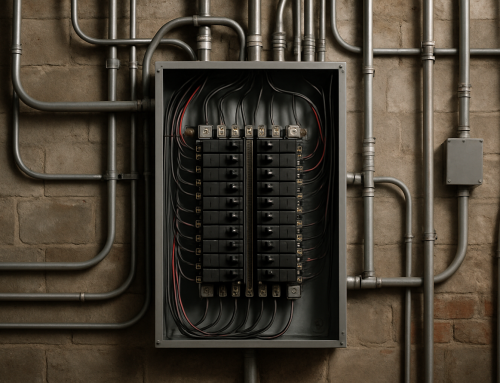
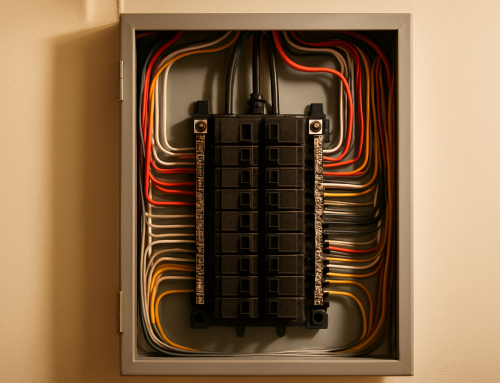
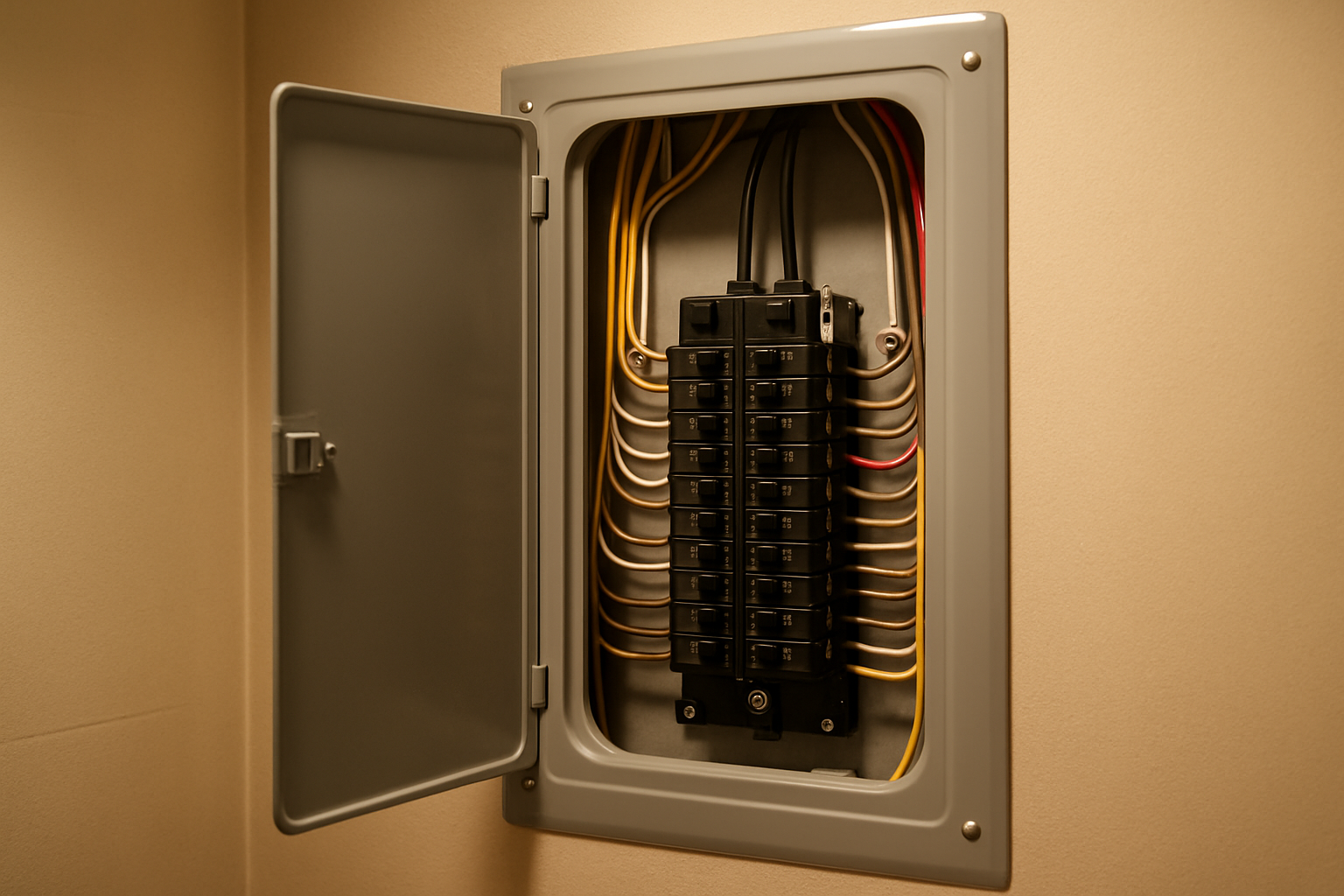
One of the most frequent culprits we find is a loose connection — either at the outlet, switch, junction box, or within the electrical panel itself. Loose wiring generates heat and arcing, which is one of the leading causes of residential electrical fires in Massachusetts. A connection that seems to be working fine intermittently is exactly the kind of hazard that homeowners often underestimate. If your lights flicker when a large appliance like an air conditioner or washing machine cycles on, that’s a sign your circuits may be undersized or overloaded for your home’s current electrical demand.
Spring is actually a common time we receive calls about flickering lights in Eastern Massachusetts. As homeowners power up air conditioners, install new appliances, and run outdoor lighting for the first time after winter, the increased electrical load can expose weaknesses in older wiring and panels that sat dormant all season. If your home is running more equipment than it did even a few years ago and your panel hasn’t been evaluated recently, flickering lights may be your electrical system’s way of telling you it’s time for a closer look.
Older homes throughout Eastern Massachusetts — particularly those built before the 1980s — may have outdated wiring or panels that struggle to handle modern electrical loads. If your home has an older panel or has never had a full electrical inspection, flickering lights should not be ignored. These systems weren’t designed for today’s energy demands, and pushing them beyond their limits creates real risk. If you suspect your home may have aging wiring, we’d also encourage you to read our article on why aluminum wiring in older Massachusetts homes requires professional evaluation, which covers another common issue we see in older local homes.
In some cases, flickering lights throughout an entire home — especially combined with a buzzing sound or a burning smell — can indicate a failing main breaker or a fault at the utility connection point. This is a situation that requires emergency attention and should never be treated as a wait-and-see problem. Electrical faults at this level can cause fires within walls before any other visible warning sign appears.
We always caution homeowners against attempting to trace or fix flickering light causes on their own. Even turning off a breaker doesn’t make all wiring in your home safe to handle, and misdiagnosis can make the underlying problem worse. Our team of licensed electricians has the diagnostic equipment and experience to identify exactly what’s causing your flickering lights and correct it safely and to Massachusetts code.
If you’re experiencing flickering lights anywhere in your home, don’t wait for the problem to escalate. Contact Clark Electric today at (844) 431-8050 — we’re locally owned and operated serving Eastern Massachusetts, and we’re ready to provide a thorough, professional assessment of your electrical system so you can have peace of mind knowing your home is safe.