If your Eastern Massachusetts home was built before 1950, there is a real chance it still contains knob and tube wiring — and if so, your homeowner’s insurance situation may be more complicated than you realize. Many homeowners are caught off guard when their insurer either raises their premiums significantly or refuses to renew their policy altogether once knob and tube wiring is discovered. As a locally owned and operated electrical company serving Eastern Massachusetts, we want to help you understand exactly what is at stake and what your options are.
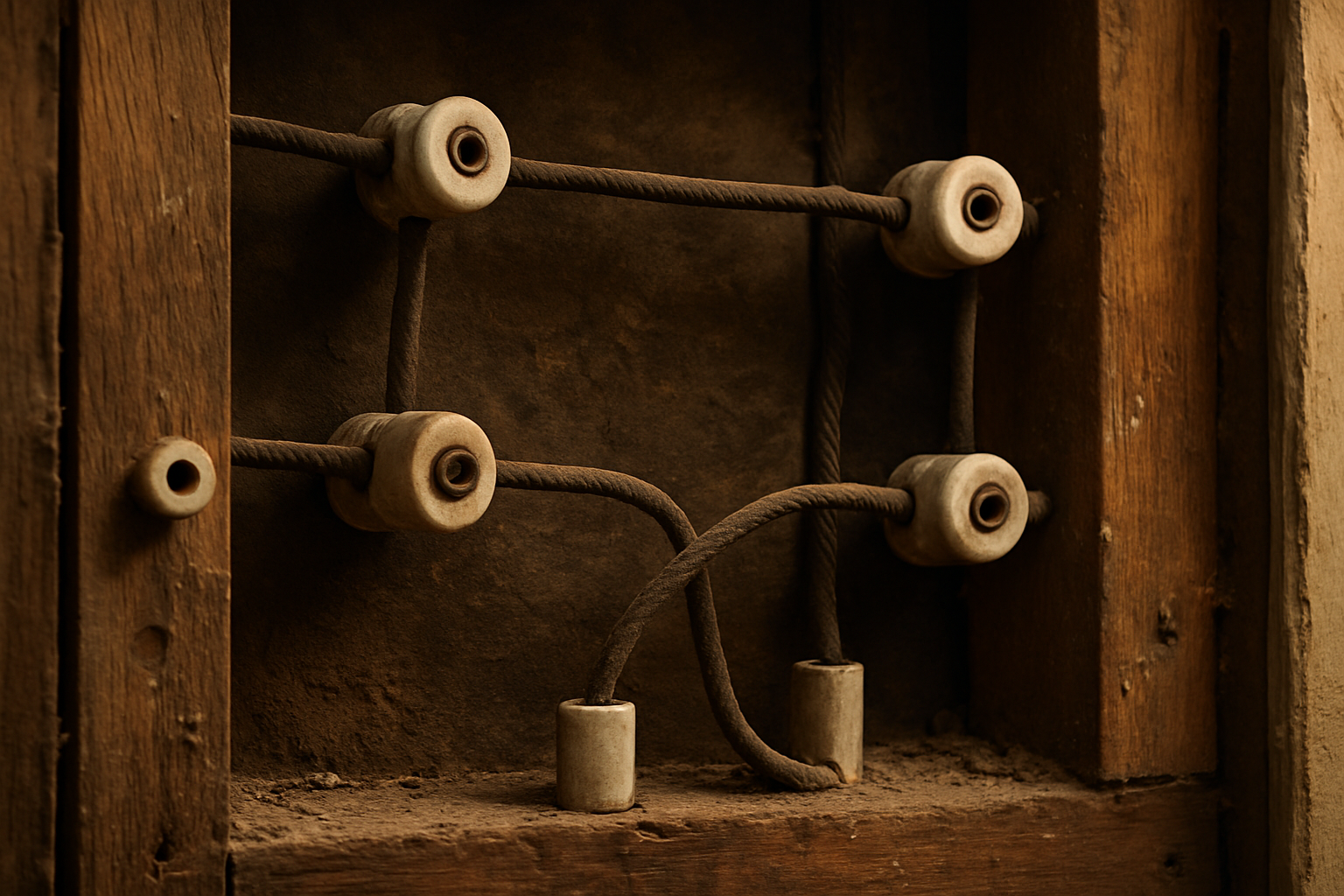
Knob and tube wiring was the standard electrical installation method used in American homes from roughly the 1880s through the 1940s. It consists of individual copper conductors run through ceramic knobs and tubes, with no grounding conductor — a fundamental safety limitation by today’s standards. The system was never designed to handle the electrical loads modern households demand, from central air conditioning to large kitchen appliances to home office equipment. That mismatch between old wiring and modern demand is precisely why insurance companies treat it as a significant liability.
Most major insurers in Massachusetts will flag knob and tube wiring during the underwriting process. Some will insure a home that contains it but charge a noticeably higher premium to offset the increased risk of electrical fire. Others have adopted a stricter position and will decline to write a new policy or renew an existing one until the wiring is professionally replaced. If you are purchasing a home and your inspector identifies knob and tube wiring, your lender may also require remediation before the mortgage can close. This is a situation we see regularly when working with real estate agents and buyers across Eastern Massachusetts.
One of the most damaging things homeowners do with knob and tube wiring is add insulation around it. The original design of this wiring system relied on open air circulation to dissipate heat. When blown-in insulation surrounds the conductors — something that happened in countless Massachusetts homes during energy efficiency upgrades over the decades — the wiring can overheat and become a serious fire hazard. Insurance adjusters and inspectors know to look for this combination specifically.
Another concern is that knob and tube wiring is frequently altered over the decades by non-licensed work. Homeowners or unlicensed contractors may have spliced modern wiring into the old system using improper connections, creating hidden hazards inside walls and ceilings. This is exactly why professional evaluation is so critical. A licensed electrician can trace the full extent of the system, identify where it has been compromised, and give you an accurate picture of what replacement will involve. Attempting to assess or modify this wiring yourself is genuinely dangerous and will not satisfy an insurance company’s requirements regardless.
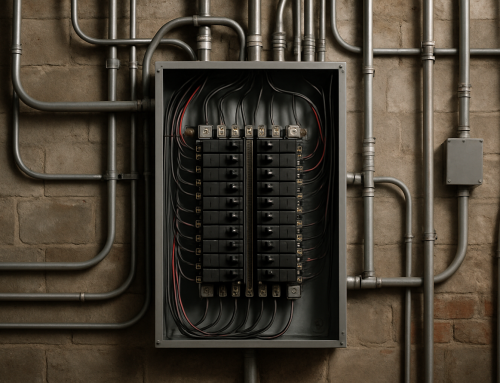
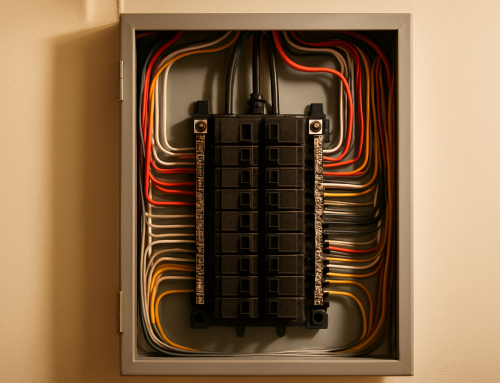
The good news is that replacing knob and tube wiring is a well-defined project that resolves the insurance issue, brings your home up to current Massachusetts electrical code, and gives you a grounded, load-appropriate system built for modern life. In many cases, a panel upgrade is completed alongside the rewire to ensure the new circuits are properly supported. If your home also has outdated electrical infrastructure, this is a good time to consider that work as part of a comprehensive upgrade.
At Clark Electric, we are locally owned and operated serving Eastern Massachusetts, and we have helped many homeowners navigate exactly this situation — from the initial evaluation through final inspection. If your insurer has raised concerns about knob and tube wiring, or if you suspect your older home may still contain it, we encourage you to call us before the problem affects your coverage. Reach out to Clark Electric today at (844) 431-8050 to schedule a professional assessment and get straightforward answers about your home’s electrical system.